A look back at the 3rd edition of The Living Room Club
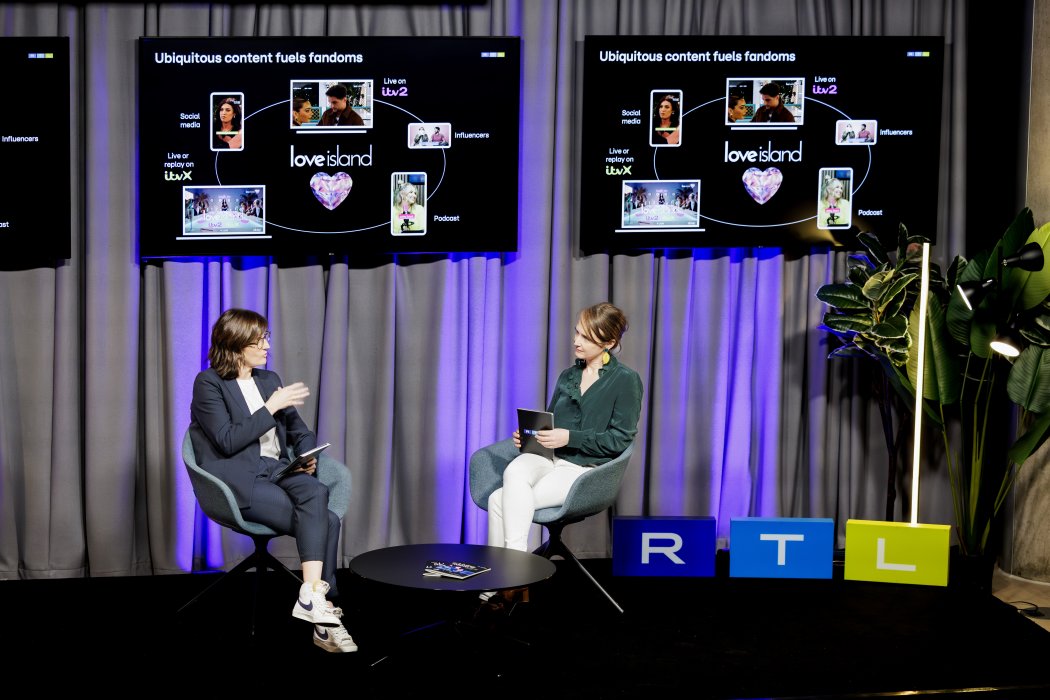
Day one centred on insight and strategy, starting with the launch of the Living Room Study and a deep dive into how audiences watch video today. Framed by a top-level view on the advertising market both in the UK and in Europe as a whole, and a practical advertising case that brought the data and insights to life. Ending with a strategic outlook of RTL AdAlliance and some informal networking.
The Living Room Study
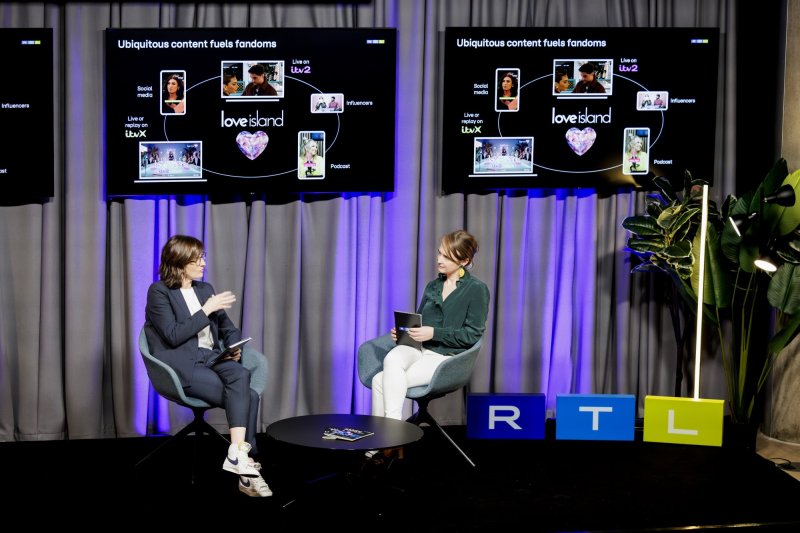
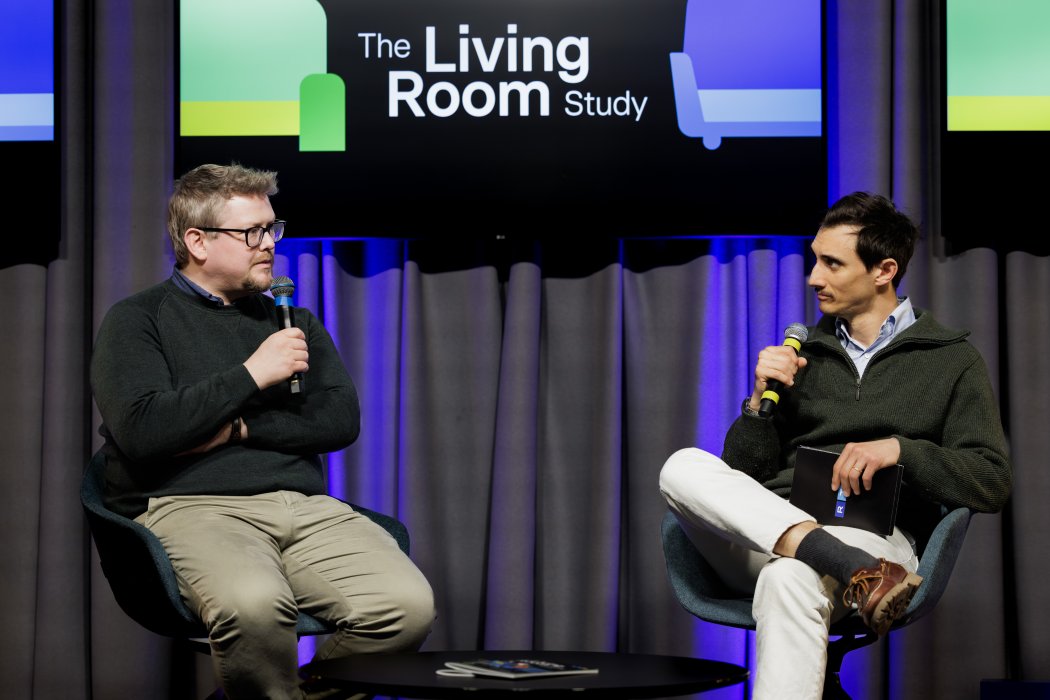
We then delved into the data. The study was presented by Aurélie Brunet de Courssou, Senior Marketing Director, she was joined by Marion Ranchet, founder of Streaming Made Easy, and together they unpacked how audiences are watching video today. First, togetherness truly matters. Watching video with others is not just a social preference for viewers, it is also a powerful opportunity for brands to connect in a more meaningful, shared moment. Second, audiences move seamlessly across platforms, but not all viewing serves the same purpose. Different environments answer different needs, both for viewers and for brands, which makes understanding context just as important as reach. And finally, local market realities cannot be ignored. Viewing habits, expectations and media cultures vary widely across countries, meaning there is no one size fits all approach. What works in one market cannot simply be copied and pasted into another.
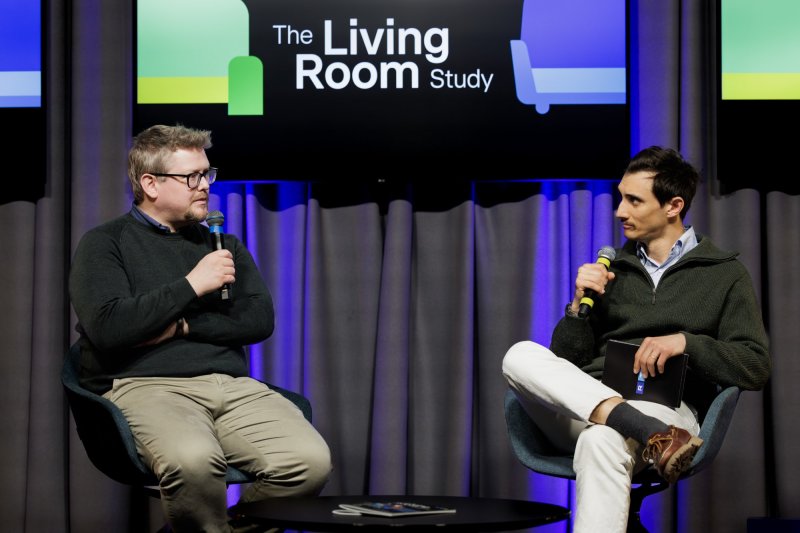
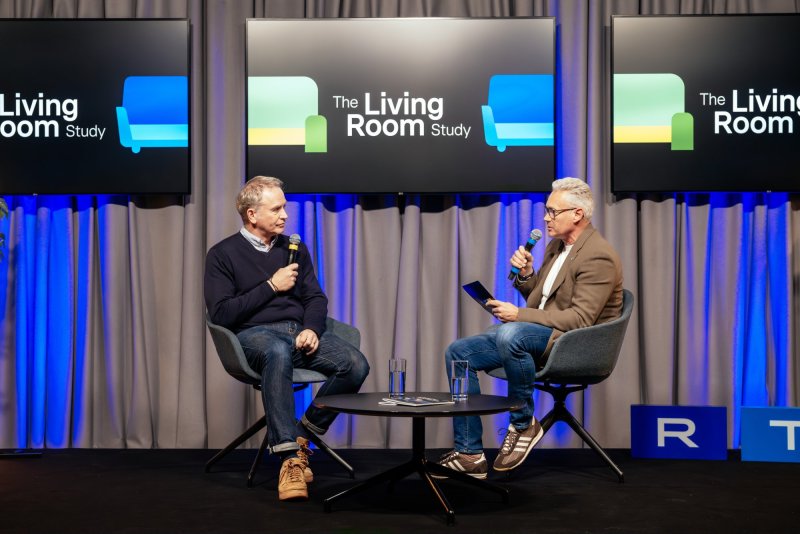
To wrap up we wanted to show an understanding of it can be used to improve advertising strategies, Jean-Baptiste Moggio from RTL AdAlliance welcomed Guy Rogers from Lenovo to discuss his success case of a CTV lead and audience led advertising campaign of the Lenovo Yoga. He talked less about shiny specs and more about how smart targeting made the difference. Competing in a market dominated by big brands and big budgets, the team knew they had to be precise. Instead of going broad, they leaned into connected TV combined with retail intent data to reach people who were already in buying mode. In France, that meant using viewing and purchase signals to focus spend on audiences actively considering a new laptop, rather than relying on age or income alone. Measurement was baked in from the start, with brand lift and attention studies used to understand what really worked. The results were telling. Awareness and brand perceptions moved, but most striking was attention, which peaked among viewers targeted using retail data. The takeaway was simple. When you use the right data to reach the right people, impact follows even without blockbuster budgets.
Strategy Insights

Later in the afternoon, Stéphane Coruble returned to the stage with Dr Oliver Vesper, Deputy CEO of RTL AdAlliance, to present a strategic vision for accelerating international convergence in Total Video.
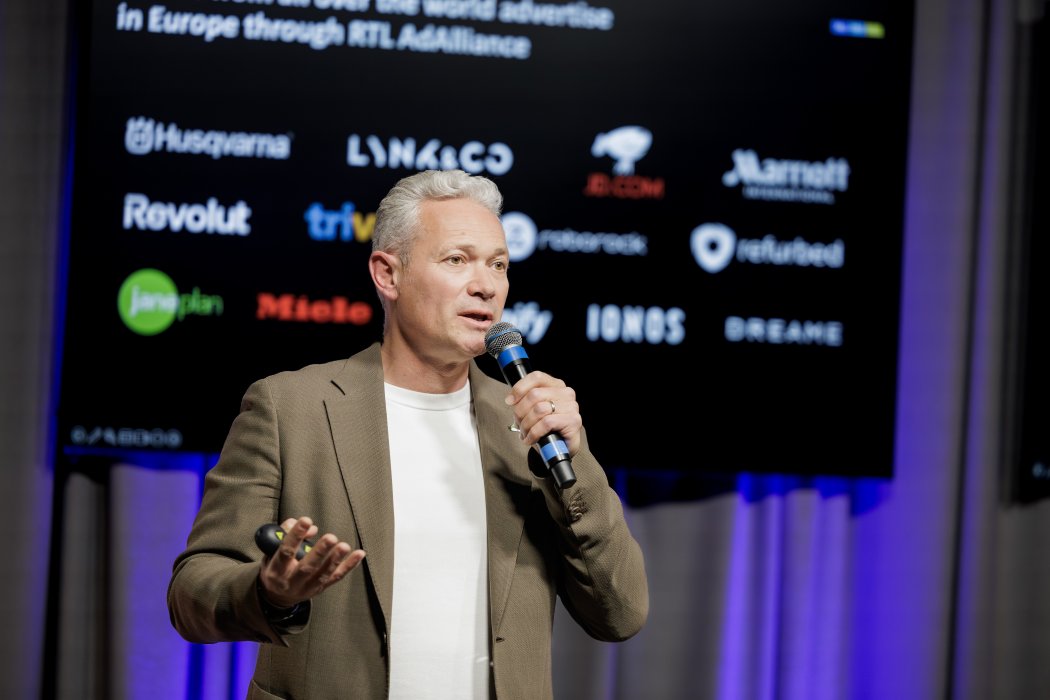
In their strategy update, they set out a clear ambition for RTL AdAlliance to accelerate international convergence in Total Video by making scale simpler, smarter and more connected. The focus is firmly on hubbing and collaboration, with new broadcaster and platform partners joining the ecosystem and strengthening a unified European marketplace. On the product side, the roadmap highlights continued investment in Smart Audiences with new data sources, alongside the rapid acceleration of AdManager as a self-service gateway to Total Video buying. International demand is expanding fast, with growing traction in China and a stronger footprint in Spain, while communication efforts build momentum towards Cannes and beyond. Looking ahead, 2026 will be a major year of sport, opening up premium opportunities for brands at scale, supported by deeper broadcaster integration across markets such as Atres, Rai, ITV and FranceTV. At the same time, RTL AdAlliance is sharpening its focus on OEMs and streamers, underlining the importance and usability of the Living Room insights.

Day two focuses on perspective and debate, opening with a candid discussion on market signals and industry dynamics. Publisher voices then take the stage to explore emerging narratives in video advertising, before the programme closes with a clear view on UK audience trends and what they mean for the market.
As usual, this is not investment advice
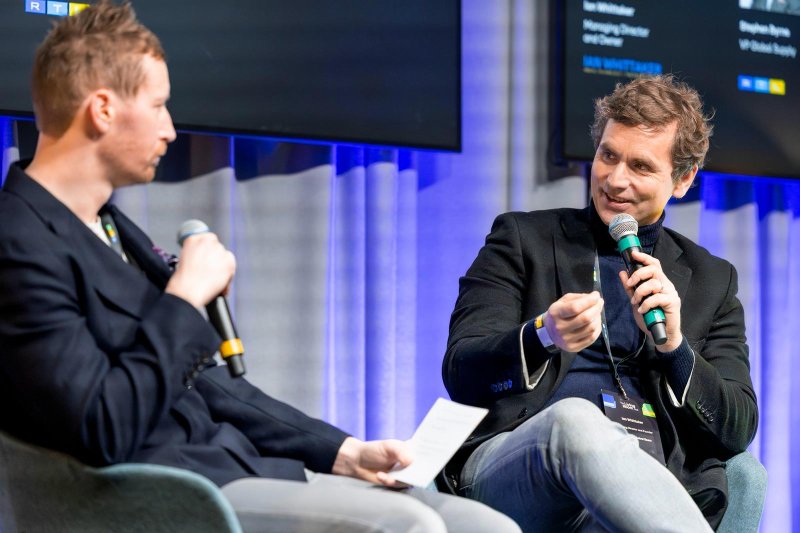
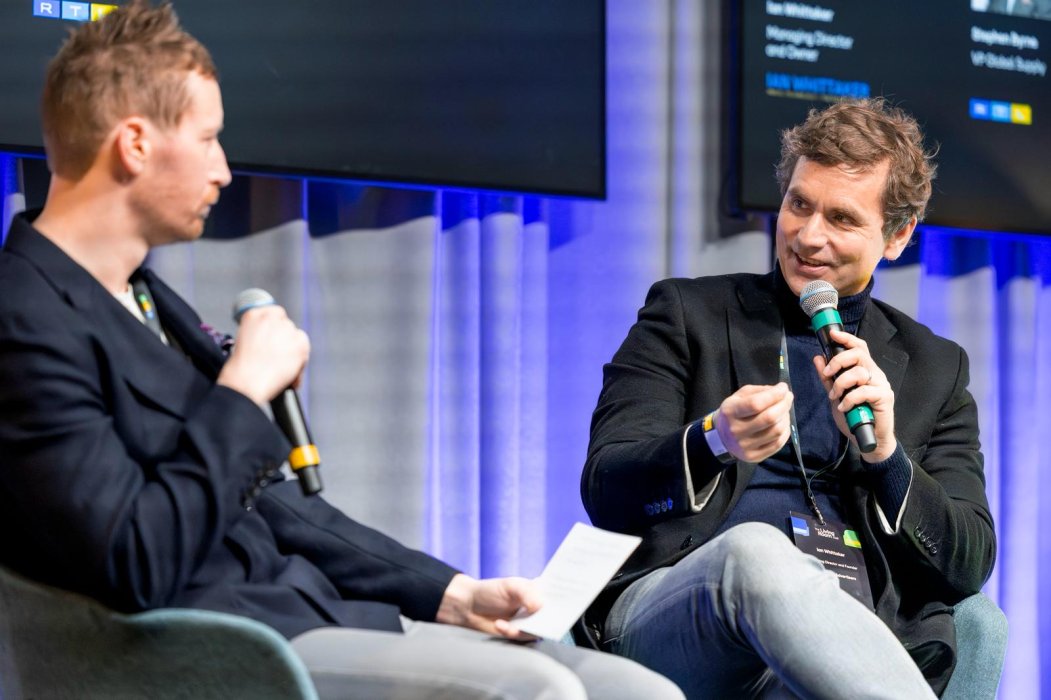
Tuesday opened with a candid fireside chat titled ‘As usual, this is not investment advice’ as we sat down with Ian Whittaker in conversation with our own Stephen Byrne. The discussion cut straight to the structural challenges facing broadcasters in a market shaped by global platforms. Ian argued that Netflix is valued less for its IP than for how it packages and prices its product at scale, while broadcasters too often rely on scale as a fix rather than addressing fundamentals. Television's real issue is really around capital allocation; namely how does it justify its share of resources at a time of conflicting demands. The real opportunity, he suggested, lies in treating content as a long-term asset by pricing scarcity properly, shifting the conversation from reach to outcomes, and taking back control of audiences across TV and platforms. Trust and premium environments matter, but only if they are clearly linked to business return. Advertisers and their boards still believe in TV, yet they want proof of outcomes. The industry’s task is to change the narrative, break internal silos and show how trusted broadcast media delivers measurable value over time.
Ian Whittaker: “The industry’s challenge is not to say ‘we are trusted, therefore we are good’, but to prove how that trust translates into a higher return on investment and better business results than less trusted platforms.”
Spotting the new killer narrative in video advertising
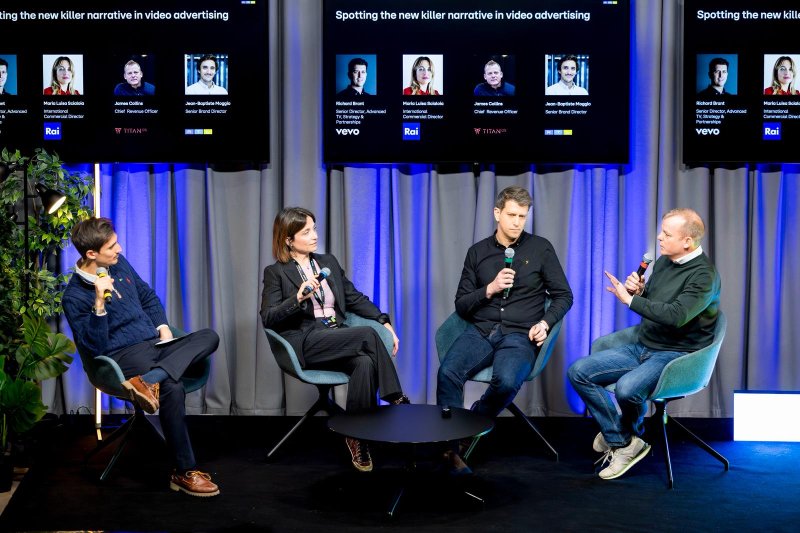
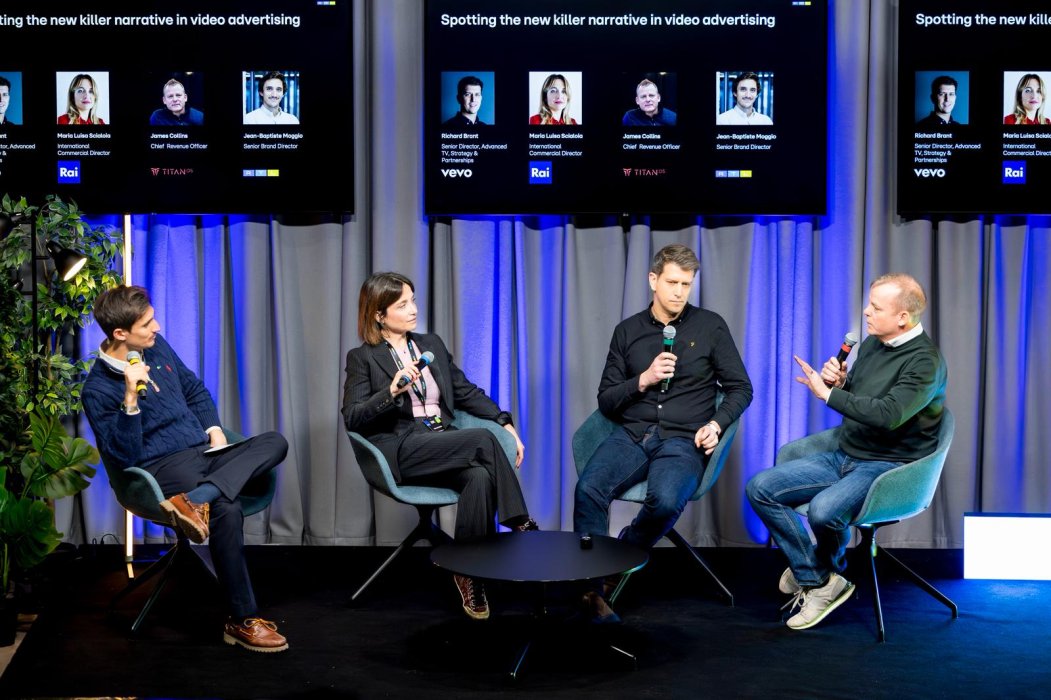
Next up we head a very interesting Publisher Panel moderated by Jean Baptiste Moggio from RTL AdAlliance, with Maria Luisa Scialoia from RAI, James Collings from Titan OS and Rich Brant from Vevo, one theme quickly emerged. In a fragmented video landscape, clarity, trust and incremental value are becoming the new killer narratives in video advertising. Terminology still varies, from CTV to Total Video, but speakers agreed that rigid categorisation matters less than the role each player plays. Titan OS positions itself clearly in CTV, focusing on solving fragmentation through the smart TV homepage, now a key access point for more than half of Europeans, and through proprietary data that reconciles cross platform usage. Vevo deliberately avoids labels, defining itself as a video content owner and trusted home of music videos, owning a large majority of the segment, a positioning that resonates strongly as advertisers seek brand safe environments in a market flooded with GenAI content. Measurement conversations are shifting too. While completion rates remain relevant, incremental reach, cost per reach point and attention are increasingly central, helping Vevo be seen as a channel in its own right and Titan OS as a complementary driver alongside linear TV and social. Content sits at the heart of the sales narrative. From Vevo’s ability to reach both mass and highly specific audiences through music genres, to Titan OS helping broadcasters like RAI move viewers from linear to VOD and curate experiences such as sports hubs, the panel showed that meaningful outcomes today are built on trusted content, smart distribution and long-term collaboration.
Richard Brant: “Music reaches everyone, which gives us real scale. Because music is intertwined with real life, brands can own moments that truly matter, from the World Cup to Christmas. In a world of change, music and sport will always have something for everybody, that is the constant. Owning those shared social moments changes the value equation.”
Changes in viewing habits
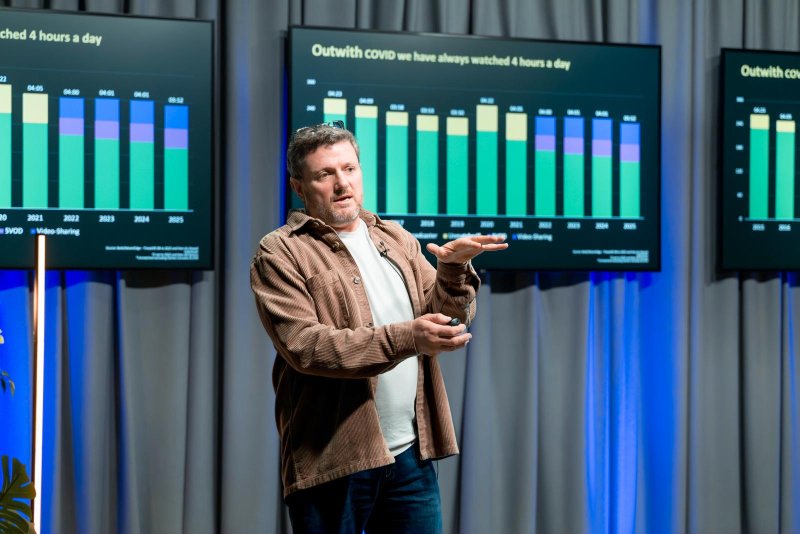
Tony Mawer: “When people watch TV together in the living room, the point is to be together. And the ads are part of that.”
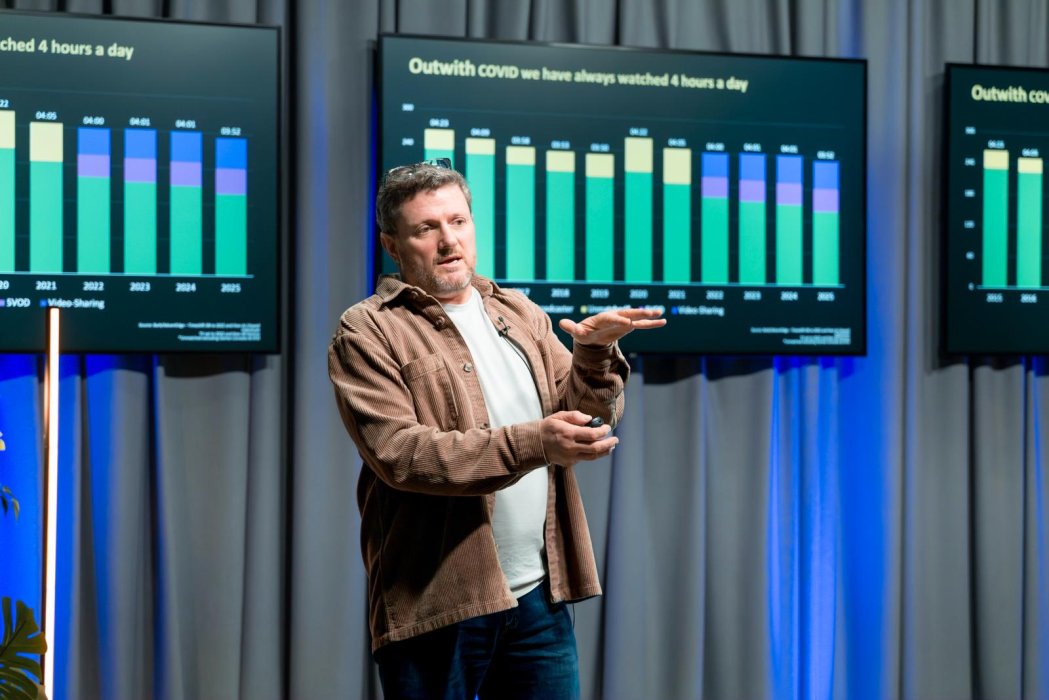
We closed the event with a UK audience trends keynote from Tony Mawer, Head of Insights at ITV, reminding us why television still matters. His insights stemming both from ITV and Thinkbox's Context Effects.
After the BBC, ITV remains the UK’s largest broadcaster, and the TV set is very much the centre of gravity. Tony highlighted how YouTube in the UK looks very different from the US, with far less premium content, while the TV screen is becoming increasingly important for platforms chasing scale. Even so, around 92 percent of viewing on the TV set still goes to broadcaster content, underlining that YouTube remains relatively small in this context. Most viewing at home happens on the TV set, which also delivers the highest ad recall, especially when people watch together. While live viewing is under pressure, broadcasters have adapted by reducing PVR usage and optimising live, catch up and addressable viewing to protect monetisation. Streamers, meanwhile, have largely plateaued, with ad tiers mostly cannibalising existing subscribers rather than delivering meaningful incremental reach. ITV continues to stand out as the home of mass audiences.